The idea of teaching toddlers a second language may seem daunting, but it’s a gift that keeps on giving. Early childhood is an ideal time to introduce a second language to your little ones, as their brains are like sponges, absorbing knowledge at an astonishing rate. In this blog post, we’ll explore the benefits and strategies for teaching toddlers a second language, making the process fun, engaging, and effective.
The Benefits of Early Bilingualism
Before we delve into the how, let’s talk about the why. Teaching your toddler a second language offers a host of benefits:
- Cognitive Development: Learning a second language enhances cognitive abilities such as problem-solving, creativity, and multitasking. It also improves memory and critical thinking skills.
- Enhanced Communication Skills: Bilingual toddlers often have better communication skills in their native language as well. They understand nuances and context more easily.
- Cultural Enrichment: Bilingualism opens doors to different cultures, fostering tolerance and global awareness from a young age.
Create an Immersive Environment
- Start Early: The earlier you begin, the easier it is for toddlers to pick up a second language. Even babies can benefit from exposure to different sounds and languages.
- Consistency is Key: Make the second language a consistent part of their daily routine. Use it at specific times, like mealtime or bedtime, to create associations.
- Engage All Senses: Use music, books, and videos in the target language to engage all their senses. This helps reinforce language acquisition through multiple channels.
Make Learning Fun
- Play and Games: Toddlers learn best through play. Incorporate language into their games, using toys, puppets, and interactive activities.
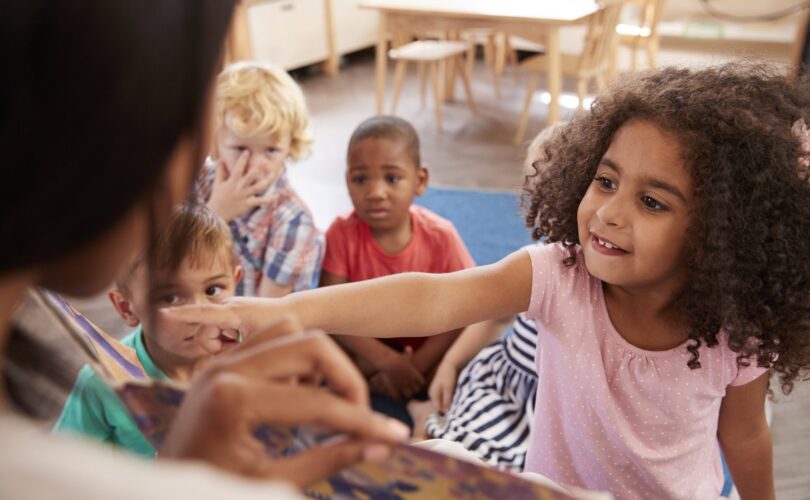
- Storytelling: Read bilingual storybooks or create your own stories. Visual aids can help them grasp the meaning of new words.
- Songs and Rhymes: Children love singing. Use catchy songs and rhymes in the target language to make learning enjoyable and memorable.
Be Patient and Encouraging
- Celebrate Progress: Praise your toddler’s efforts, no matter how small. Positive reinforcement boosts their confidence and motivation.
- Stay Patient: Learning a second language can be challenging, and toddlers might mix words or take time to respond. Be patient and avoid putting pressure on them.
Leverage Resources
- Language Tutoring or Classes: Consider enrolling your toddler in language classes or tutoring.
- Cultural Experiences: Explore cultural events, festivals, and local communities where the second language is spoken. These immersive experiences can be incredibly enriching.
Conclusion
Teaching toddlers a second language is a gift that can set them on a path of cognitive growth, improved communication skills, and cultural enrichment. The key is to create a nurturing, immersive, and enjoyable environment that makes language acquisition a natural part of their daily lives. Remember, it’s a journey that requires patience and consistency, but the rewards are boundless. So, embark on this bilingual adventure with your toddler, and watch as they flourish into young language enthusiasts.